Pipeline Blockage Detector: The Ultimate Technology for Accurate, Fast, and Non-Destructive Blockage Detection
Pipelines are the hidden lifelines of every residential, commercial, and industrial facility. Whether they are carrying water, sewage, chemicals, or gas, their performance directly affects the safety, hygiene, and efficiency of a building. But with time, pipelines can suffer from sediment buildup, grease accumulation, cracks, intrusions, and other forms of damage. Traditionally, detecting these problems required breaking floors, digging walls, or relying on guesswork. Today, advanced pipeline blockage detectors have transformed this process, offering accurate, fast, and non-destructive solutions.
In this comprehensive guide, we will explore how pipeline blockage detectors work, their types, benefits, applications, installation process, and why they are essential for modern property maintenance. Whether you are a homeowner, facility manager, or industrial operator, understanding this technology will help you prevent costly repairs and ensure efficient pipeline performance.
Call US
+974 7708 0936
What Is a Pipeline Blockage Detector?
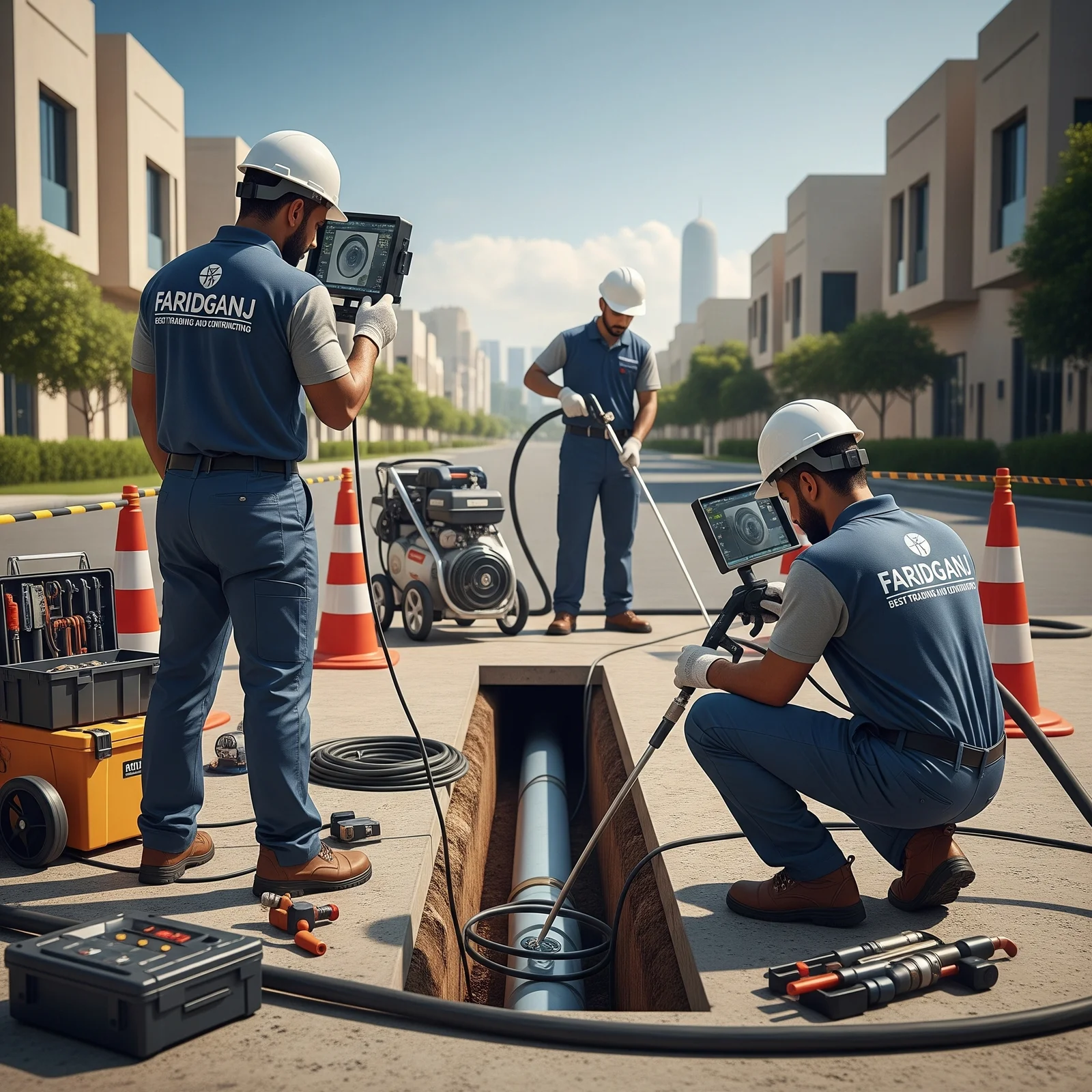
A pipeline blockage detector is an advanced device or system used to identify and diagnose blockages, leaks, cracks, or structural issues inside pipelines. It utilizes various technologies such as cameras, sensors, sonar, pressure monitoring, and electromagnetic detection to locate and evaluate internal pipe issues without excavation.
Modern blockage detectors are essential tools in pipeline maintenance because they provide real-time insights into the internal condition of pipelines, allowing technicians to pinpoint issues accurately and take corrective action with minimum disruption.
Why Pipeline Blockage Detection Is Important
Pipeline blockages are not just inconvenient—they can cause major property damage, operational downtime, and health hazards. Without early detection, minor clogs can grow into severe problems such as:
-
Sewage backup
-
Burst pipes
-
Water contamination
-
Flooding
-
Structural damage
-
Expensive emergency repairs
A pipeline blockage detector helps detect issues at an early stage, allowing proactive maintenance instead of reactive, costly interventions.
Common Causes of Pipeline Blockages
Understanding the causes of pipeline blockage helps highlight the importance of accurate detection technology. The most common causes include:
1. Grease and Fat Buildup
Kitchen waste, oils, and fats solidify inside the pipeline, narrowing the passage.
2. Foreign Objects
Items like wipes, sanitary products, and small objects often get flushed into pipelines, causing clogs.
3. Tree Root Intrusion
Tree roots can grow into underground pipelines, causing cracks and obstruction.
4. Sediment and Mineral Deposits
Hard water and debris slowly accumulate, reducing flow capacity.
5. Pipe Misalignment
Ground movement, construction issues, or aging can cause pipes to shift and create blockages.
6. Corrosion and Aging
Old pipelines can corrode, collapse, or break, restricting water flow.
A pipeline blockage detector helps identify these issues accurately, improving safety and reducing maintenance costs.
Types of Pipeline Blockage Detectors
Different situations require different detection technologies. Below are the most commonly used pipeline blockage detection tools:
1. CCTV Drain Camera Detectors
The most widely used tool, CCTV cameras are inserted into the pipeline using flexible rods. They transmit live video footage to help technicians see the exact condition inside the pipe.
Features:
-
High-resolution cameras
-
LED lighting
-
Waterproof casing
-
Real-time video recording
Benefits:
-
Visual confirmation of blockages
-
Identifies cracks and corrosion
-
Non-invasive and highly accurate

2. Acoustic and Sonar Pipeline Detectors
These detectors use sound waves to identify blockages or pipe structure issues. Sonar is especially useful for filled pipelines where visibility is low.
Advantages:
-
Works even when cameras cannot
-
Detects density changes inside the pipeline
-
Suitable for large industrial pipelines
3. Electromagnetic Pipeline Detectors
These devices use electromagnetic fields to map pipeline conditions. They are effective for locating metallic pipes, corrosion, and structural weaknesses.
Used for:
-
Underground pipes
-
Long-distance pipelines
-
Gas lines
4. Thermal Imaging Blockage Detectors
Thermal detectors measure temperature differences to locate blockages or leaks. They are particularly useful for hot water lines, HVAC systems, and hidden pipelines inside walls.
5. Pressure Monitoring Systems
These systems track pressure changes in the pipeline. A sudden drop or rise in pressure indicates leaks, obstructions, or valve issues.
Key Benefits of Using a Pipeline Blockage Detector
Pipeline blockage detectors offer numerous advantages that traditional inspection methods cannot provide:
1. Non-Destructive Inspection
No need to break floors or dig walls—detectors reach the problem area with minimal disruption.
2. Highly Accurate Diagnosis
Whether it’s a small crack or a deep grease buildup, detectors offer precise findings, reducing guesswork.
3. Cost-Effective Maintenance
Accurate detection prevents unnecessary repairs and saves money by identifying the exact issue.
4. Faster Problem Resolution
Since technicians know exactly where the blockage is, unblocking and repair work becomes faster and more efficient.
5. Suitable for All Types of Pipelines
From small residential drains to industrial sewer lines, detectors work on all kinds of pipelines.
6. Better Long-Term Performance
Regular detection helps maintain pipelines in good condition, extending their lifespan.
Where Pipeline Blockage Detectors Are Used
Pipeline blockage detection technology is used across many sectors:
1. Residential Buildings
-
Kitchen drain blockage
-
Toilet pipe clogs
-
Shower and floor drain problems
-
Hidden water leakage
2. Commercial Establishments
-
Restaurants
-
Hotels
-
Shopping malls
-
Schools
-
Offices
Commercial properties generate high waste volume, making detection crucial.
3. Industrial Facilities
-
Factories
-
Air-conditioning plants
-
Sewage treatment systems
-
Chemical pipelines
Industrial pipelines require regular monitoring due to heavy use and safety risks.
4. Municipal Sewage and Water Systems
Used for detecting blockages in large underground sewer networks and public water pipelines.
5. Infrastructure and Construction Sites
Detection tools are used to assess pipeline integrity before new construction or renovation projects.
How Pipeline Blockage Detection Works: Step-by-Step Process
Here is a detailed breakdown of how pipeline blockage detection is typically carried out:
1. Initial Assessment
Technicians evaluate the symptoms: slow drainage, gurgling noises, foul odors, or water backup.
2. Preparing the Pipeline
The opening of the pipeline is accessed, often from a cleanout point or drain entry.
3. Inserting the Detection Device
A CCTV camera, sonar device, or sensor is inserted into the pipeline.
4. Real-Time Monitoring
Technicians view the live feed or sensor readings to identify the exact location and type of blockage.
5. Identifying the Problem
The detector reveals:
-
Type of blockage
-
Severity
-
Distance from access point
-
Pipe condition
6. Choosing the Right Repair Method
Based on findings, technicians may perform:
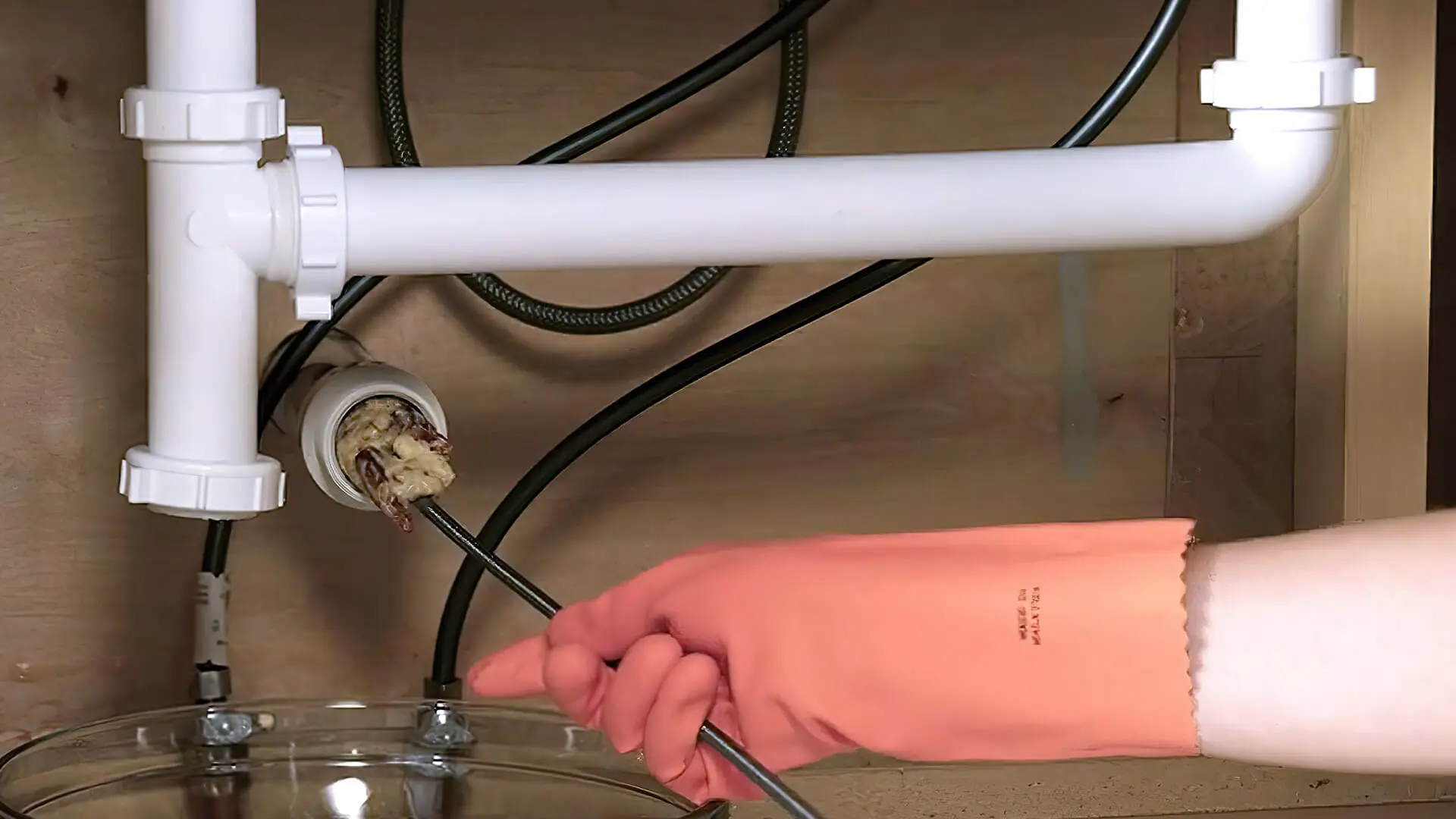
-
Hydro jetting
-
Mechanical rodding
-
Chemical cleaning
-
Pipe replacement
-
Trenchless repair
7. Final Inspection
A second detection pass ensures the pipeline is clear and functioning properly.
Top Features to Look for in a Pipeline Blockage Detector
If you are planning to invest in this equipment or hire a service provider, look for the following features:
- High-Resolution Camera
- Provides clear visuals for accurate diagnosis.
- Waterproof and Durable Design
- Essential for sewer and wastewater pipelines.
- Long Cable Length
- Allows inspection of deep or lengthy pipelines.
- LED Lighting
- Enhances visibility inside dark pipelines.
- Real-Time Recording
- Helps in future reference and maintenance planning.
- Multi-Detection Modes
- Camera + sonar + pressure = ideal combination.
Pipeline Blockage Detector for Preventive Maintenance
One of the biggest advantages of detection technology is preventive maintenance. Regular pipeline inspection prevents:
-
Unexpected pipe bursts
-
Emergency plumbing calls
-
Water waste
-
Unpleasant odors
-
Structural damage
Most experts recommend performing detection at least once a year, especially for commercial and industrial properties.
Signs You Need Pipeline Blockage Detection
If you notice any of these symptoms, it’s time to call for pipeline inspection:
-
Slow draining water
-
Water backing up into drains
-
Gurgling sounds
-
Sewer smell in bathrooms
-
Repeated clogs
-
Wet spots on walls or floors
-
Sudden increase in water bills
These signs indicate hidden issues that only a detector can accurately locate.
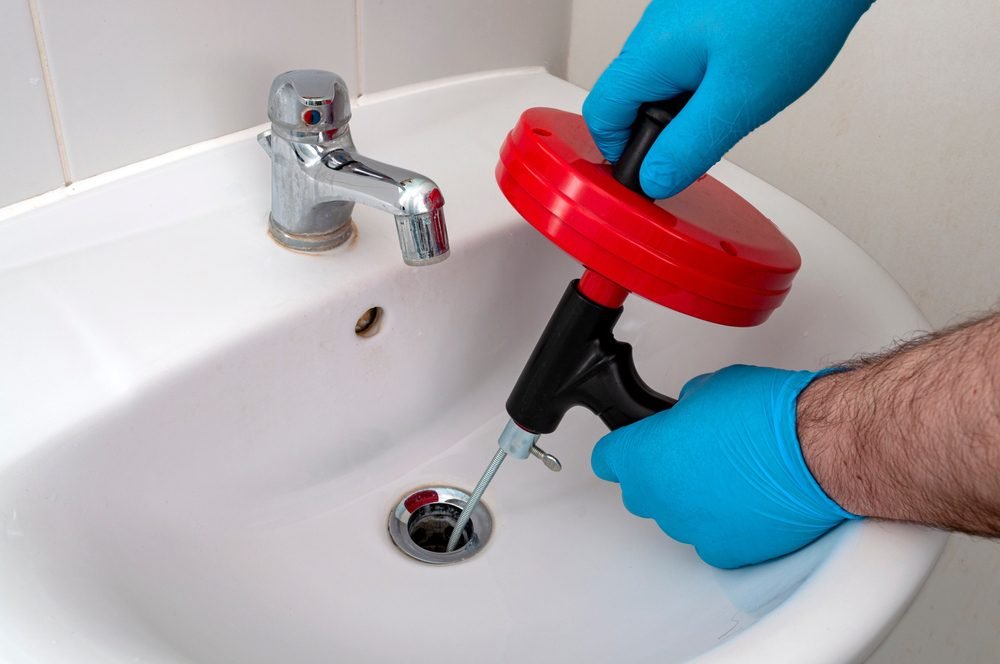
Why Professional Pipeline Blockage Detection Is Better Than DIY
While DIY drain cleaning tools may solve minor problems, they cannot detect internal pipeline issues. Professional detection services use advanced technologies that provide:
-
High accuracy
-
Zero property damage
-
Expert evaluation
-
Long-term solutions
Attempting DIY methods like chemicals or rods can damage pipes and worsen the situation.
Choosing the Right Pipeline Blockage Detection Service
- When selecting a service provider, consider the following:
- ✔ Experienced technicians
- ✔ Advanced detection equipment
- ✔ Transparent pricing
- ✔ Fast response
- ✔ Detailed inspection report
- ✔ Good customer reviews
- Quality detection services save time, reduce repair costs, and extend pipeline lifespan.
Future of Pipeline Blockage Detection Technology
New innovations are transforming pipeline inspection:
- AI-Powered Diagnostics
- AI algorithms analyze video feed to detect cracks, corrosion, and blockages automatically.
- Robotic Inspection Systems
- Mini robots navigate pipelines more efficiently than traditional tools.
- Wireless Sensor Networks
- Continuous monitoring without manual inspection.
- Smart Pipelines
- Self-diagnosing pipes with built-in sensors for real-time reporting.
- The future of pipeline maintenance is smarter, faster, and more precise.
Anyone used 718spgameapk before? They’re advertising a bunch of APKs, but I’m always a bit cautious. Could be worth a look if you’re brave. Be careful and check 718spgameapk!
Seriously addictive stuff! I’ve been messing around with music creation lately, and it’s so cool how accessible it’s become. Check out the Sprunki Game – it’s surprisingly easy to make beats, even on mobile! Fun way to unwind. ✨